


In consultation with estate agency Hamptons, The Telegraph has ranked West Greenwich among the top 10 London neighbourhoods to live in for 2026, placing it alongside areas such as Richmond, Hampstead and Marylebone.
The neighbourhood sits at number four on the list, making it the highest-ranked area in south east London.
It placed ahead of nearby favourites including East Dulwich, which came fifth, and Chislehurst, which ranked sixth.
The recognition reflects growing demand for neighbourhoods that combine a strong sense of community with attractive surroundings and reliable transport links, as buyers increasingly prioritise quality of life alongside connectivity.
Known for its historic charm, West Greenwich encompasses the town centre and surrounding residential streets, with a mix of elegant Georgian and Victorian homes that continue to attract families and professionals alike.
Many of the streets fall within conservation areas, helping to preserve the character of the neighbourhood and protect its architectural heritage.
According to The Telegraph, tree-lined roads around Crooms Hill, Hyde Vale and Royal Hill are particularly sought after, while the Ashburnham Triangle has long been popular with buyers looking for larger homes close to green space.
Properties along the edge of Blackheath also benefit from open views and easy access to one of south east London’s most loved commons.
The area benefits from a thriving high road, packed with independent cafés, restaurants and shops, as well as well-known attractions such as Greenwich Market and the historic park.
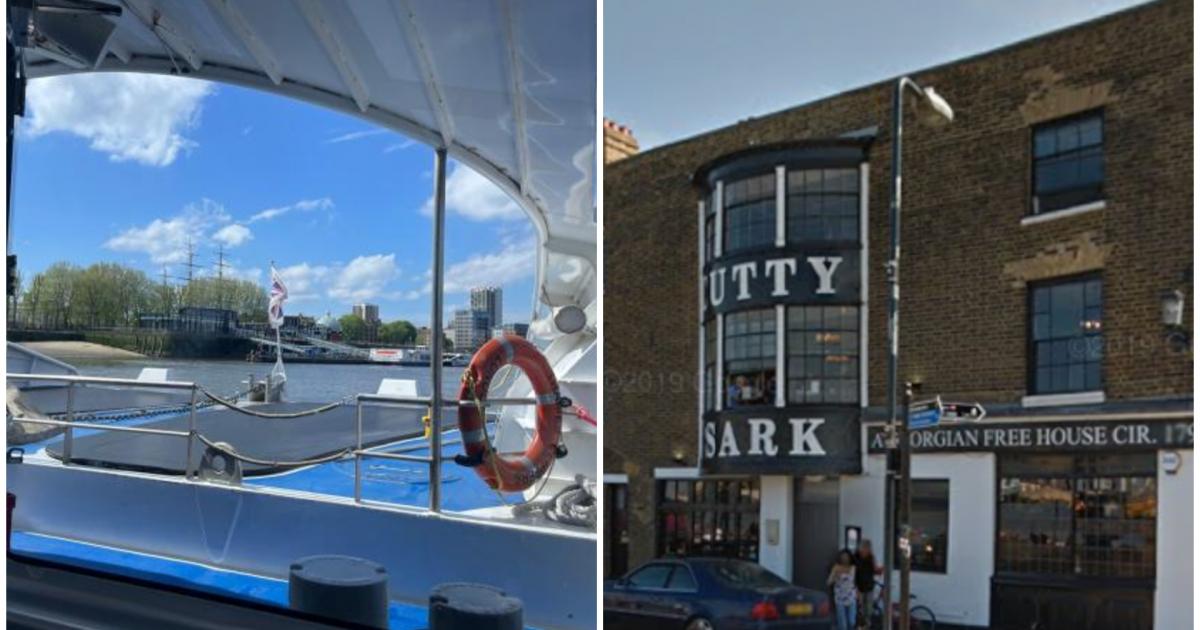
Greenwich Pier is a lively riverside hub used by both locals and visitors, offering a scenic way to travel along the Thames via the Uber Boat by Thames Clippers.
From here, passengers can reach destinations including Canary Wharf, London Bridge, Westminster and beyond.
The pier sits beside some of Greenwich’s most famous landmarks, including the Cutty Sark, the historic 19th-century tea clipper which now operates as a museum and visitor attraction.
While the town centre can become busy during peak tourist seasons, many residents see this as part of the area’s lively atmosphere rather than a drawback.
Access to green space is another major advantage, with Greenwich Park on the doorstep offering panoramic views across London, walking routes and space for outdoor activities.
West Greenwich’s appeal also lies in its ability to feel village-like despite being part of a global city.
Local events, independent businesses and historic landmarks help foster a sense of community that many buyers are increasingly prioritising as working patterns continue to evolve.
With house hunters placing greater emphasis on quality of life, space and neighbourhood identity, West Greenwich’s mix of heritage, greenery and convenience makes it an attractive option heading into 2026.
While nearby Blackheath remains a popular alternative for those seeking similar surroundings, West Greenwich’s proximity to the river, park and town centre gives it a distinct edge.
David Fell, lead analyst at estate agency Hamptons, explained to The Telegraph that despite demand falling in “prime” central London, the market remains fiercely competitive in many areas.
He told The Telegraph: “In both more affordable pockets of the East End and leafier suburban London, house prices have held up better as buyers seek space and value without compromising on community.
“These neighbourhoods offer the lifestyle most families want: good schools, green spaces and a commute to the office which can still get them home for bath time.
“And all of this without breaking the bank.”