


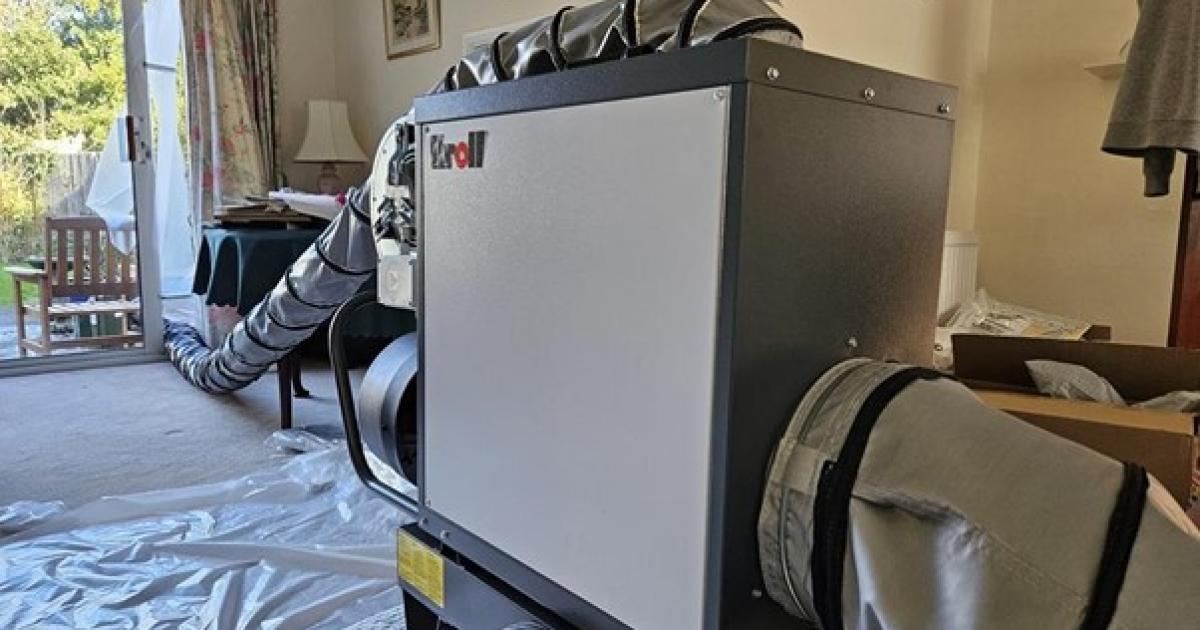
According to ThermoPest, inconsistencies in treatment methods, lack of follow-up inspection and reliance on single-visit chemical sprays are among the main reasons infestations persist in South London’s mix of flats, terraced houses and shared buildings. The company is urging industry operators to adopt a more structured approach that includes whole-room treatment, correct temperature or chemical application, and clear documentation for landlords and tenants.
“Bed bug control in South London needs to be consistent, evidence-based and properly documented,” said James Rhoades, founder of ThermoPest Bed Bug Treatment London. “We regularly encounter properties where multiple spray treatments have been carried out with no clear process, no preparation guidance and no follow-up checks. This leaves residents frustrated and allows infestations to spread between neighbouring rooms and units.”
Rhoades notes that bed bug activity in South London is influenced by high public-transport usage, shared accommodation and increasing movement into multi-occupancy housing. ThermoPest has seen increased reports from HMOs, short-let properties, converted Victorian townhouses and blocks with shared voids — all environments where incomplete treatments allow bed bugs to migrate between areas.
ThermoPest is encouraging local authorities, managing agents and landlords across South London to request clearer documentation from contractors, including pre-treatment checklists, photographic evidence and post-treatment confirmation that all affected rooms have been addressed. The company believes greater transparency will help reduce repeat infestations and improve outcomes for residents across the region.
“Bed bugs are a complex issue, not a simple spray-and-go problem,” added Rhoades. “South London needs more consistent practice across the sector to ensure infestations are properly controlled from the outset, particularly in multi-unit and high-turnover buildings where one incomplete treatment can quickly lead to reinfestation.”