


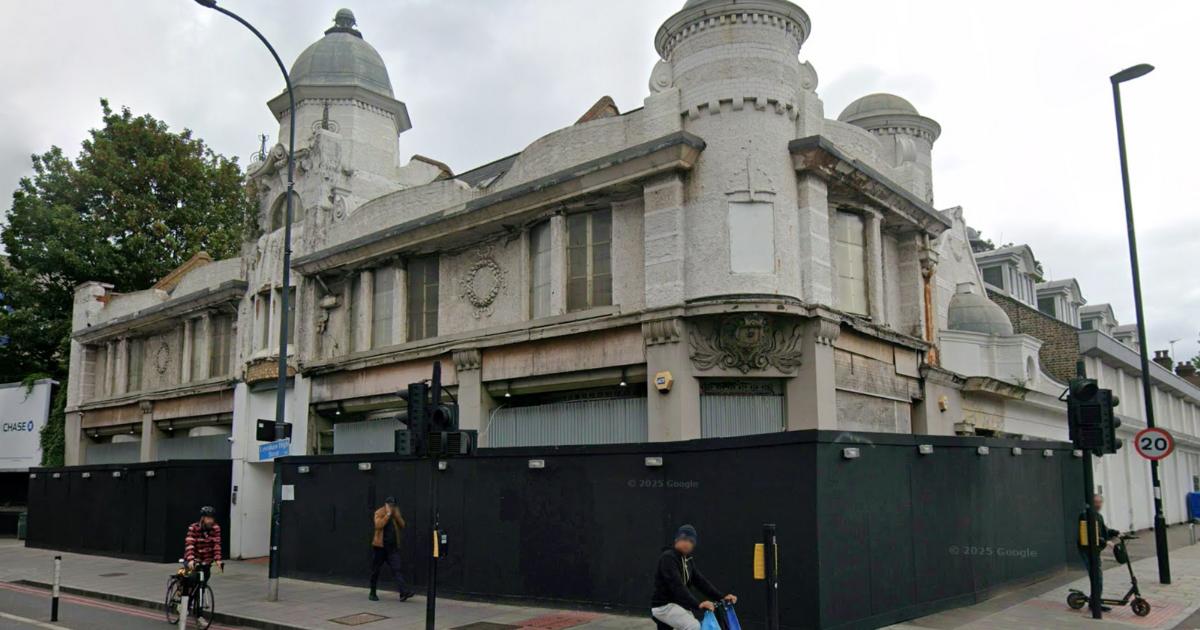
Standing at numbers 233 – 241, the former Temperance Billiard Hall is a striking Edwardian landmark that has evolved alongside the borough.
First built at the beginning of the 20th century, the building has had many lives shifting from an alcohol-free leisure palace to snooker hall and, today, a busy church and community hub.
The building was constructed between 1909 and 1910 at the height of the Temperance movement, a social campaign that sought to curb alcohol consumption by offering attractive alternatives to pubs.
The Grade II listed building was designed by architect Norman Evans for Temperance Billiard Halls Ltd.
It was originally known as the Gild Hall and was built on the site of a detached house called Greenway Place on Lewisham’s High Street.
At the time, Lewisham was growing and expanding, with more pubs opening on its High Street and further afield, with the emergence of the hall offering an alcohol-free place to socialise.
The Gild Hall was one of the most ambitious examples, as behind its façade were a café and lounge, a vast billiard hall containing 15 tables, a lobby and four shops fronting Lewisham High Street.
It was complete with Art Noveau glass bow windows, ornate metal roof trusses, a central fountain and a small stage for music and entertainment.
The corner of the building is marked by a domed turret and ornate plasterwork to draw in crowds from the outside.
By the late 1930s, more than 50 Temperance billiard halls operated across London, but changing tastes after the Second World War led to their rapid decline.
Billiards fell out of fashion, the Temperance movement lost momentum, and many halls were converted to other uses like bingo halls, snooker halls and ironically pubs.
In Lewisham, the building continued its recreational role for several decades as a snooker hall, later trading under the Rileys name.
While much of the original interior detailing was lost or concealed during this period, the building’s external appearance survived largely intact.
The snooker hall closed in 2012, before it eventually reopened in 2014 as a church and community centre when it was purchased by The Tabernacle Church.
Today, the building is home to The Tab Church, hosting regular worship services as well as a wide range of community activities.
Alongside Sunday services, the building now accommodates a food bank, children’s programmes, pastoral support, volunteering initiatives and social outreach, serving residents from across the borough.
Although much of the interior has been altered over time, elements of the original structure survive, including staircases and joinery, while further historic features may still lie hidden above suspended ceilings.
It has also appeared on Historic England’s Heritage at Risk Register in recent years, though its condition is now assessed as improving following repairs and continued use.