


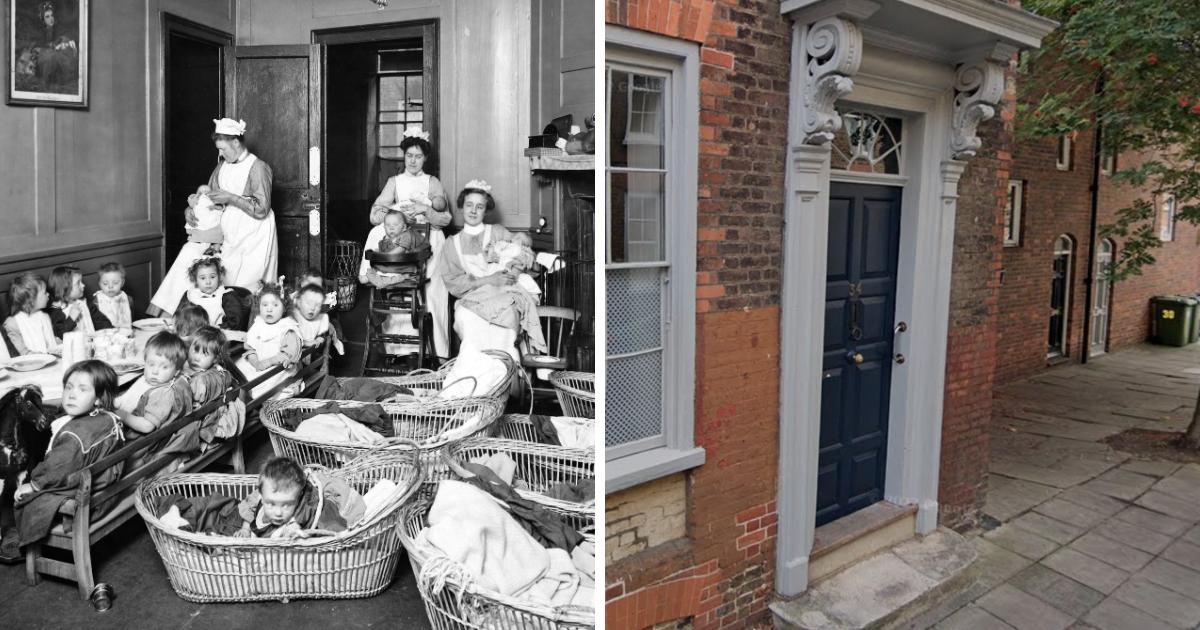
Images from Panoramas of Lost London by heritage expert Phillip Davies OBE highlight how London’s streets and neighbourhoods have changed over the years.
One evocative photograph in the book shows what Deptford’s Albury Street would have looked like back in 1911.
The photo depicts number 34 Albury Street, on 30 April 1911, capturing a nursery in the ground floor of the rear room of the property.

The book features over 300 black-and-white photographs documenting London between 1870 and 1945, capturing its people, buildings and everyday life.
Many of the images come from the former Greater London Council Historic Buildings Division, alongside material from Historic England and the Metropolitan Archives.
Albury Street still stands today and runs west of the A2209 Road and Deptford High Street, and dates back to the early 18th century when Deptford would have been a village at that time.

It was developed as an enclave for officers and senior staff working at the Deptford Dockyard, which would have been a hive of activity during the peak of its use.
The houses built during this time were of two storeys and made of London red brick with elegant brick dressings, providing superior accommodation for those connected to the docks.
Over the years, Albury Street has had several names, first as Cross Fields Lane, then later as Union Street and Creek Road, before finally being named Albury Street in 1898, which it has been named as ever since.

The Albany Institute, founded in 1899 on Albury Street, served the local community with nurseries and kitchens to support working families.
Over the years the building became a centre for arts and community activities and continues today as The Albany on Douglas Way, a leading arts venue for south east London.

Sadly, Deptford was one of the many neighbourhoods in London impacted by the Blitz, with much of the area sustaining significant bomb damage during World War II.
However, miraculously Albury Street survived largely intact, and in 1951 numbers 13 to 45 were all Grade II listed, giving these historic homes vital protection.
Today, these terraced homes are highly sought after, with restored properties often fetching prices of over a million.