


The change is expected to begin in London as drivers switch to EVs.
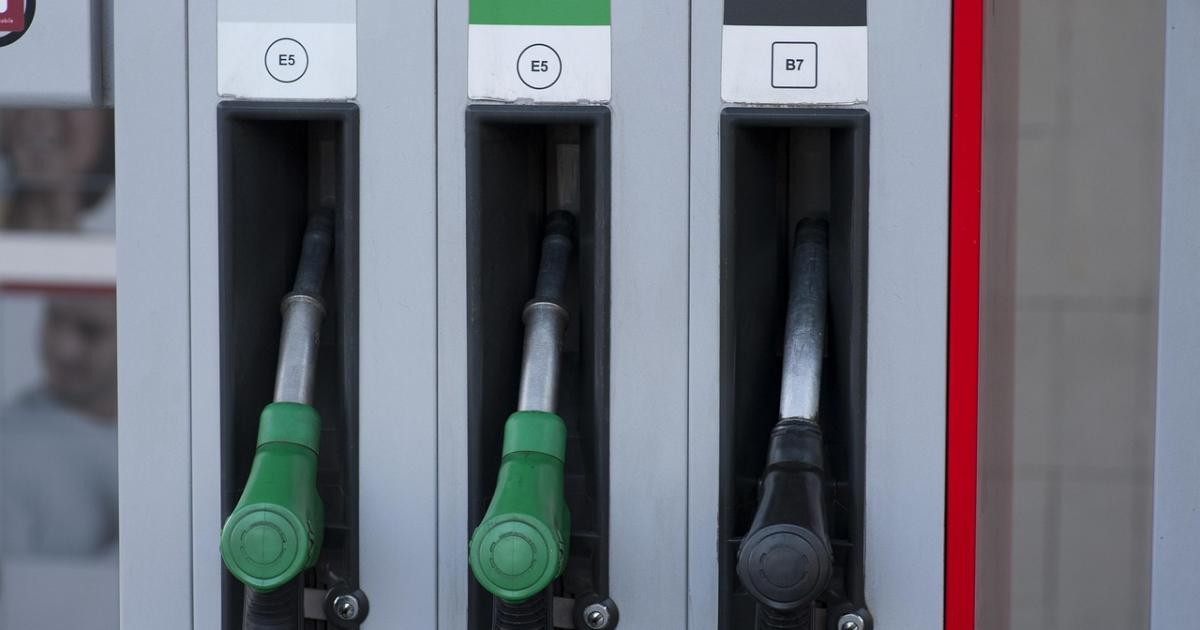
An analysis by electric vehicle think tank New AutoMotive predicted that many of the roughly 8,400 filling stations across the UK will have stopped selling the fuel by 2035.
Mr Ben Nelmes, chief executive of New AutoMotive, said: “As fewer people drive diesel cars, filling stations will stop stocking their fuel.
“Diesel does not keep well.
“If fuel sits in tanks without selling at pace, it degrades.
“As diesel availability tightens, many motorists will conclude the smartest option is to avoid the headache and go electric.”
The report suggests this trend will encourage more drivers to switch to electric vehicles, particularly as diesel vehicle numbers are already declining in number.
In ten years there will only be about 250,000 diesel cars left on the roads, the report forecast, down from 15.5 million as of the end of June 2025.
London is expected to be the UK’s first city with no diesel cars.
The expansion of the ultra-low emission zone in 2023 means using a diesel car registered before September 2015 anywhere in the capital incurs a £12.50 daily fee.
A spokesman for the Petrol Retailers Association said its members have “no definitive plans to cease selling diesel” but are monitoring changes in customer demand.
He said: “Nonetheless, they consistently track evolving customer preferences and adjust their services in response.
“This is reflected in investments such as expanded retail shops, EV charging facilities and first-class valeting services.”
Some stations have already introduced high-powered EV chargers.
Mr Delvin Lane, chief executive of EV chargepoint provider InstaVolt, said: “For drivers, this is not about being pushed into electric.
“It’s a rational choice, driven by better technology.”
Diesel sales in the UK have been falling since 2017, dropping 22 per cent by 2023.
While the UK Government plans to ban the sale of new petrol and diesel cars from 2030, there is currently no proposal to ban the use of existing vehicles.