


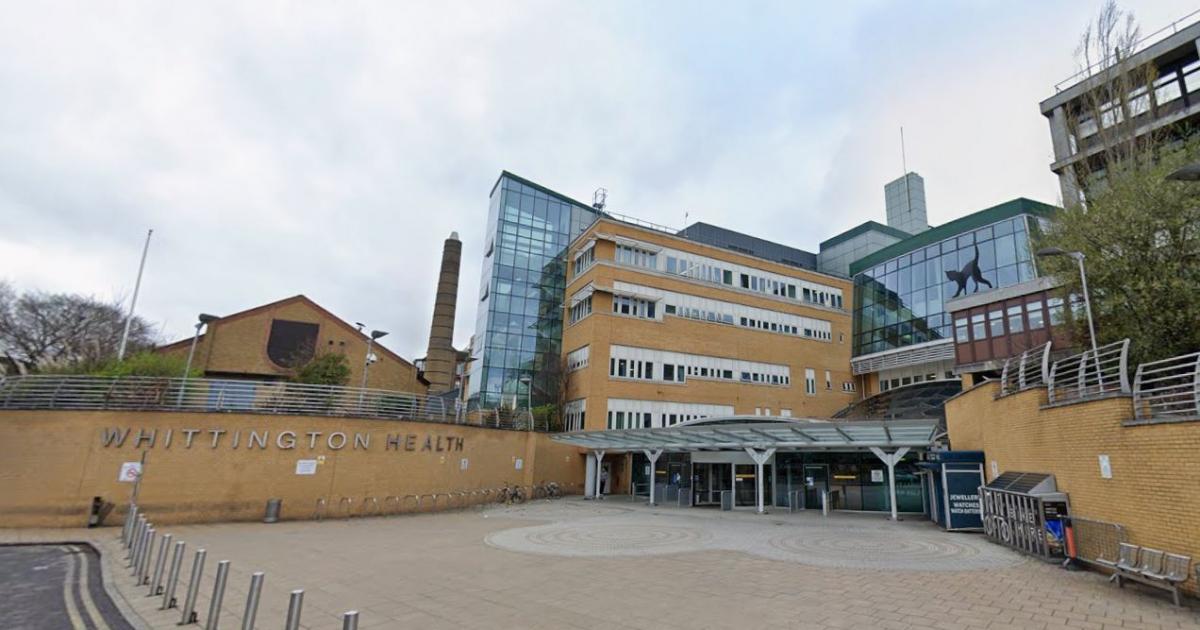
Lina Piroli , 93,was admitted to Whittington Hospital in Islington on February 2 this year with a fractured spine after her fall at home – hours after she had been discharged from the same hospital.
While Lina received the vital tests and treatment, she was not seen by the hospital’s geriatric team due to the shortage of beds, leaving her stuck in the “busy, noisy and frightening” limbo while her “pain, delirium and confusion” raged on.
During her wait, test results revealed she had contracted an E.coli infection.
It was only when a bed was found for Lina that doctors started seeking advice on how to deal with her spinal injury. But over the ensuing days she did not respond to antibiotics, and on February 20 she died while still on the ward.
From the inquest, Assistant Coroner Melanie Sarah Lee found this delay had hurt Lina’s chances of recovery and that her experience was “not uncommon at the Whittington” and was a problem across all London hospitals and throughout the UK.
“Nursing staff are having to treat double the number of patients that the department is designed to accommodate and patients who require care and treatment outside of their expertise. This means that patients are not receiving the appropriate level of care,” the report stated.
The coroner has since written to NHS England (now merged with the Department of Health and Social Care) with the findings. Both organisations are required to respond with an action plan to prevent future deaths by January 29, 2026.
The Prevention of Future Deaths report was also sent to Whittington Health NHS Trust. The Local Democracy Reporting Service contacted the trust for comment, but at the time of writing it had not responded.
The latest report follows an earlier inquest into the death of 86-year-old Mary Fitzpatrick, who died at Whittington Hospital. In September, Senior Coroner Mary Hassell judged that her death would not have happened had she received better care, pointing out that community nurses neglected her “gaping” bed sore.