


Living standards are unbelievably important to all governments, but especially this one.
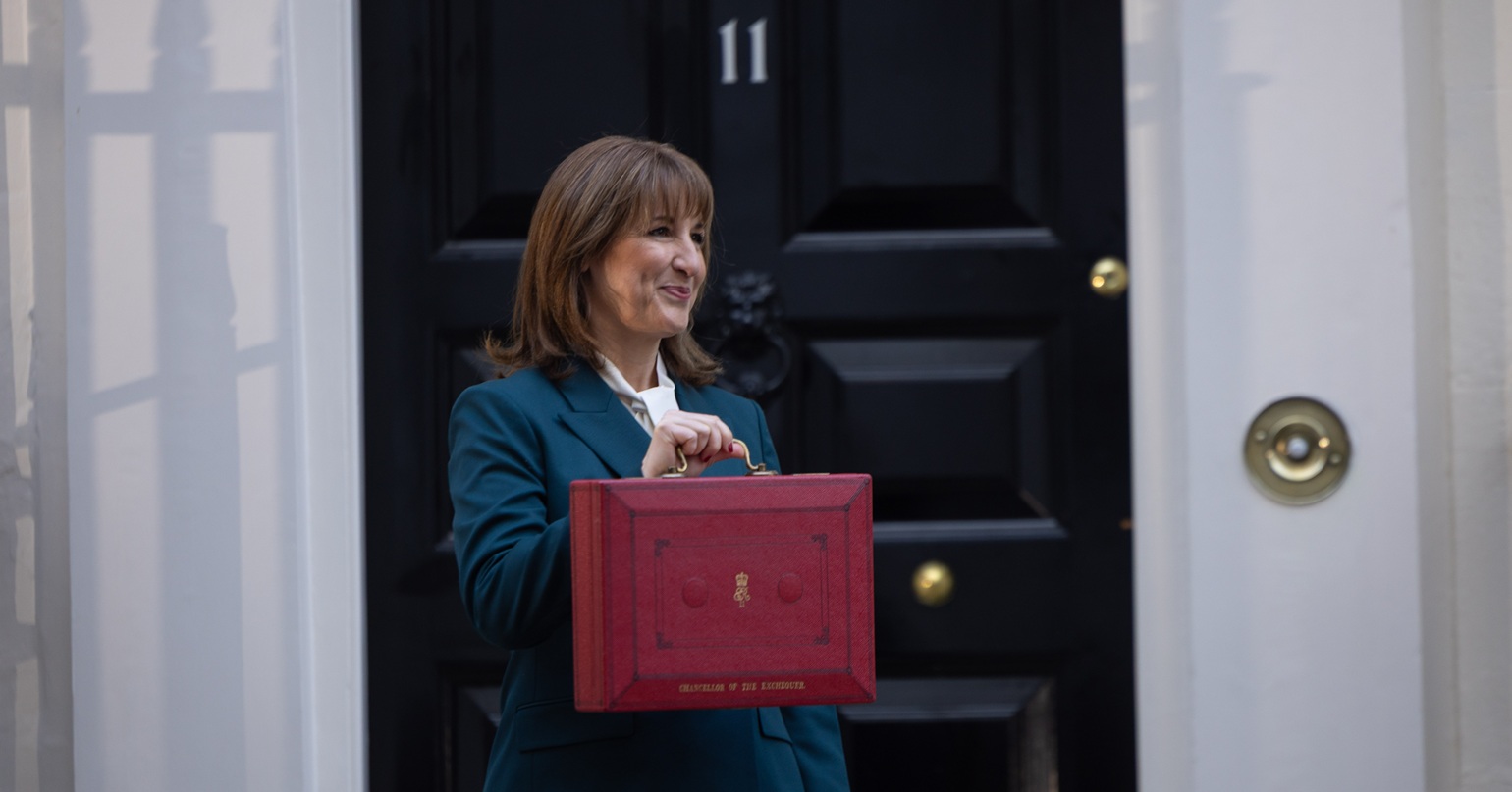
This week’s budget showed there’s no sugarcoating the economic and fiscal circumstances that we find ourselves in. The country is trapped in a fiscal straitjacket, bound both by the poor decision making of previous governments, and events outside of our control.
We shouldn’t make excuses for those who have the privilege of running the country, but nor should we deny the root causes of the current situation either. There are many good reasons why the budget included many tax rises. Thankfully, these were concentrated amongst the wealthiest, and the government froze thresholds, as the Fabian Society recommended, rather than raising income tax.
But while tax rises are likely to dominate the discussion, the government must keep the focus on the other side of the ledger – that is, the things those taxes will fund, and why they matter to people. At the Fabian Society, we have long argued that the government must maintain a focus on three things: living standards, regional development and public services.
Living standards are unbelievably important to all governments, but especially this one. This government simply needs people to feel better off by the next election to stand any chance of winning it – and our research has shown how they can do this. The last parliament was the first in recorded history to see a decline in living standards. But the problem runs deeper: since the financial crisis, the rate of real household disposable income growth has halved. This is largely due to UK productivity tumbling from 2nd in the G7 before the crash, to 6th between 2010 and 2023.
The government clearly takes this incredibly seriously and has done a great deal – but they will need to do more. In the short term, support for energy bills is very welcome, as is removing the two-child limit. But a small growth in real disposable household income is unlikely to be felt in people’s pockets as acutely as the higher taxes. Long-term investment is planned, but its impact will depend not just on how much we spend, but on what we spend it on, and where.
Which takes us to regional development. This is now front of mind for MPs, and the increasingly powerful mayors. People’s experience of their local economy is at the heart of the hopelessness and despair many feel. It is most visibly manifested in high streets of boarded up shops, but these are a symptom of towns that lack the economic purpose on which they were originally founded.
Is this government enabling places to find that new purpose? They’ve made a good start and this is certainly an area to watch closely, as the industrial strategy shapes decisions, infrastructure delivery gets accelerated across the country, and devolution is deepened and broadened out to more places.
The government must hope that, come the next election, people start to see the difference locally. And they could. We could see new, locally controlled, locally branded, electric buses driving down those high streets – showing that, finally, someone has started to do something. This budget also included a new visitor levy, which could provide a funding stream for mayors to invest in public realm and local infrastructure, as we have recommended. People will also need to see ‘spades in the ground’ for major rail infrastructure projects, particularly between northern towns and cities.
Finally, the government needs public services to be there for people when they need them, especially the NHS. A return to austerity would have led to such dire outcomes that people would be left questioning the social contract – even more than they currently are.
Again, government forecasts suggest increased spending on public services, particularly benefitting low- and middle-income households. But the government will need to both invest and reform public services to meet the ever-increasing demands made of them. And will people be satisfied enough with how public services perform and feel, given the taxes they’ve had to endure to fund them? Our forthcoming work on technology in health and the civil service will help inform this crucial agenda.
These are the questions that will dominate this parliament. In the days and weeks ahead, the government must continue to tell their own story of this budget, wrestling for the narrative against others who will tell a very different story. But the decisions made in this budget will resonate for years to come. And we won’t really know how this story ends for at least three years, when the government asks the country to trust them with another term of office.
Luke Raikes is the Deputy General Secretary of the Fabian Society
Left Foot Forward doesn’t have the backing of big business or billionaires. We rely on the kind and generous support of ordinary people like you.
You can support hard-hitting journalism that holds the right to account, provides a forum for debate among progressives, and covers the stories the rest of the media ignore. Donate today.